Compare saws by the work they do
A useful comparison starts with the cut—not the feature list. Match the material, direction of cut, required accuracy, and workspace before looking at individual models. If crosscuts and repeatable angles lead the list, the miter saw overview is the natural starting point.
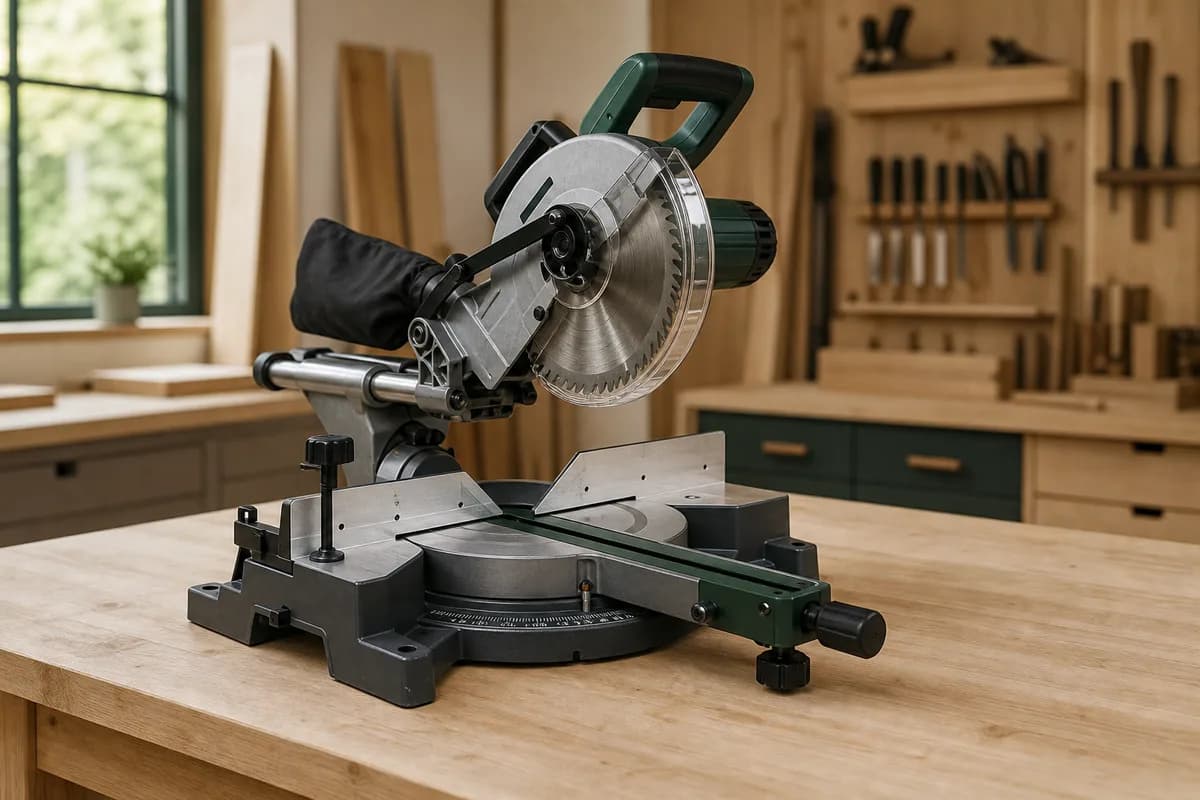
Miter saw
Repeatable crosscuts, trim, and angled cuts
Not designed for long rip cuts through sheet goods or boards02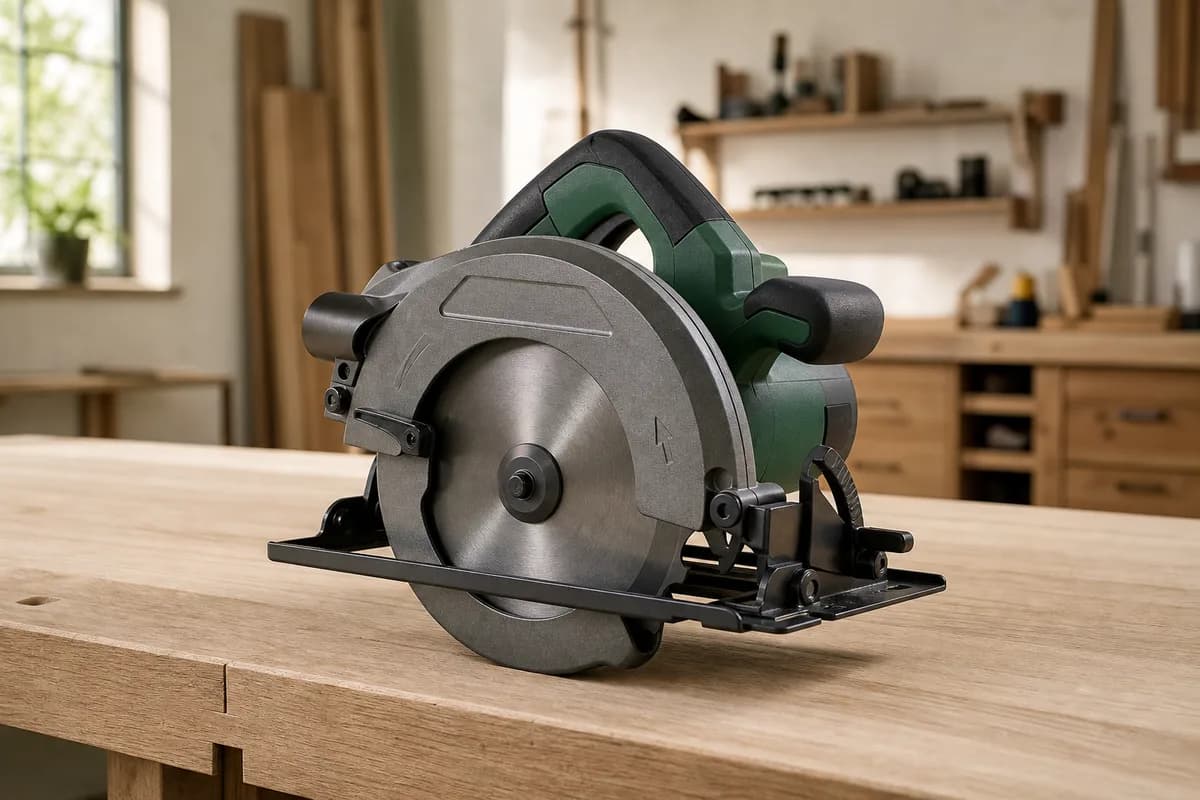
Circular saw
Portable straight cuts in framing lumber and sheet goods
Needs a guide and careful setup for highly repeatable precision03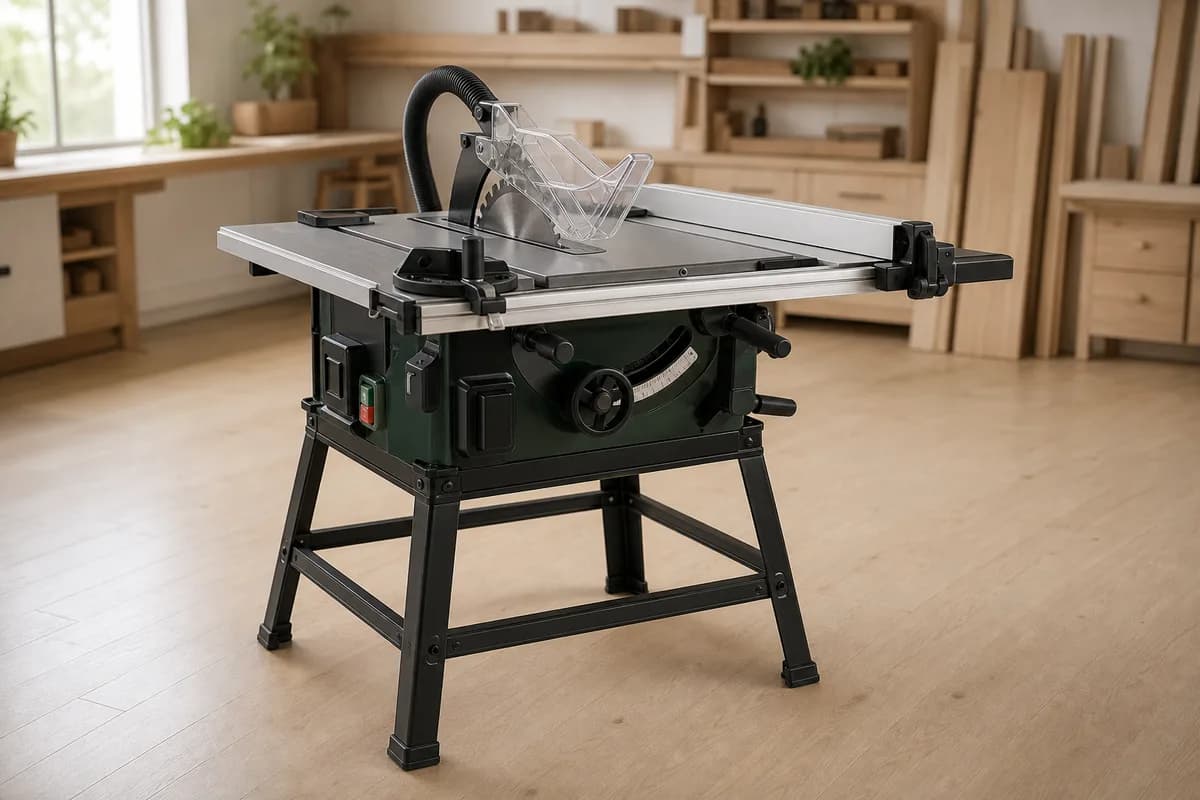
Table saw
Long rip cuts, stock sizing, and workshop throughput
Needs more floor space and disciplined material handling04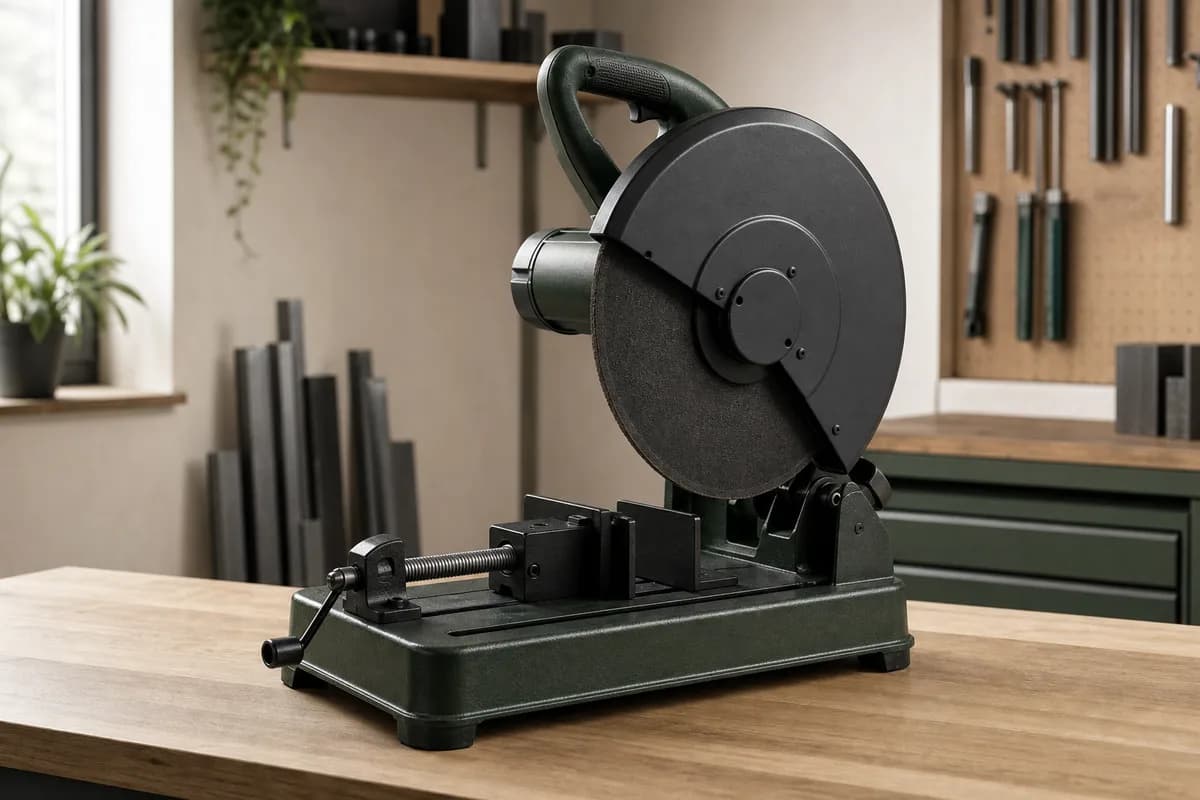
Chop saw
Fast cutting in suitable metal stock with the correct machine and wheel
Built for tougher material, not fine woodworking accuracyBegin with the cut direction
Start with a miter saw
Especially when trim, repeated lengths, or controlled angles matter.
Open category Along the boardStart with a table saw
Especially when sizing stock repeatedly in a fixed workshop.
Open category Across a sheetStart with a circular saw
Especially when portability and breaking down large panels matter.
Open categoryWhen two saws look close, compare the job.
These guides answer the practical “which one do I need?” questions without turning the page into a generic feature list.
Chop saw vs miter saw
Know when woodworking accuracy stops and approved metal cut-off work starts.
Read comparison 02Table saw vs miter saw
Choose between crosscuts and angles or rip cuts and stock sizing.
Read comparison 03Circular saw vs miter saw
Decide between portable sheet-good cuts and repeatable board angles.
Read comparison 04Single bevel vs double bevel miter saw: which fits your work?
Compare single- and double-bevel miter saws by workflow, trim projects, flipping stock, capacity, cost, and the features worth paying for.
Read comparison 0510-inch vs 12-inch miter saw: capacity or portability?
Choose between a 10-inch and 12-inch miter saw using real cut capacity, blade cost, portability, deflection, workspace, and project fit.
Read comparison